Hit enter to search or ESC to close
Close Search
Dolphin ResearchDolphin Research
search
Menu
  • Our Work
    • Dolphins and Whales
      • Research
      • Port Phillip Common Dolphin Project
      • Two Bays Whale Project
      • Killer Whales Australia
      • Report Sightings using PodWatch
      • Commit to Dolphin Distancing
      • Commit to Whale Distancing
    • Marine Environment
      • Discover Port Phillip: Water & Wildlife Stories
      • Creature Features
      • Our Living Marine Treasures
      • FAQS
    • Education & Community
      • I sea, i care Ambassador Program
      • Education Programs
      • Volunteers and Interns
      • Citizen Science Programs
  • About Us
    • DRI Team and Board
    • Our Impact
    • Vision 2030
    • Charity Status
    • Annual Reports
    • Snapshot News Magazine
    • DRI Webinars
    • E-News Subscribe
  • Support Us
    • Future Generations Tax Appeal
    • Donate to DRI
    • Regular Giving
    • Adoption Program
    • Renew Your Adoption
    • Our Supporters
    • Impact Supporter (Business)
    • Shop/Auction
    • Make a Payment
  • Donate
  • Contact
    • Contact General
    • Contact Education Team
    • Marine Wildlife Emergencies – What To Do
  • search
  • Menu
Stranded Dolphins – What To Do
Environmental Leadership

Stranded Dolphins – What To Do

Calling all local photographers
EducationEnvironmenti sea i careISICC

Calling all local photographers

Marine Wildlife Emergencies – What To Do
ActionDolphinsEnvironmental LeadershipInformationRescue

Marine Wildlife Emergencies – What To Do

Our Common Dolphins Are A Remarkable Success Story
Common DolphinsDolphinsDRI NewsResearch

Our Common Dolphins Are A Remarkable Success Story

Test ISIC
ISIC-Amb-Blog

Test ISIC

How to Spot Whales
InformationTwo Bays WhalesWhales

How to Spot Whales

DD Update
AppealCommon DolphinsDolphinsDRI NewsResearch

DD Update

Poke Update
AppealCommon DolphinsDolphinsDRI NewsResearch

Poke Update

Violet Update
AppealCommon DolphinsDolphinsDRI NewsResearch

Violet Update

Tall Fin Update
AppealCommon DolphinsDolphinsDRI NewsResearch

Tall Fin Update

V-Nick Update
AppealCommon DolphinsDolphinsDRI NewsResearch

V-Nick Update

Position on Wind Farms
DRI NewsEnvironmental LeadershipInformationSustainable Living

Position on Wind Farms

Western Port Bottlenose Dolphin Catalogue
DolphinsDRI NewsResearch

Western Port Bottlenose Dolphin Catalogue

Midland Insurance
Impact Supporter

Midland Insurance

Seagrass Investigation
EducationEducation Programs

Seagrass Investigation

  • Previous
  • 1
  • 2
  • 3
  • 4
  • 5
  • 6
  • …
  • 23
  • Next

About DRI

  • About DRI
  • Our Team
  • Annual Reports
  • Newsletters
  • Contact Us

What we do

  • Research
  • Education
  • Leadership
  • Sightings
  • Vic Humpback Whale Catalogue
  • ISIC Communities

Our Marine Environment

  • Southern Marine Species
  • Regional Marine Environ.
  • Coastal Management

Become involved

  • Donate
  • Volunteer, Intern & Wk Exp.
  • Coastal Management
  • Book an Education Prog
  • Report Dolphin Sightings
  • WP Pod Surveyor
  • Two Bays Whale Tracker
  • PPB Pod Surveyor
  • BCapture
  • Impact Supporter

DRI CHARITY STATUS | PRIVACY POLICY | TERMS AND CONDITIONS

© 2026 Dolphin Research Institute. The Dolphin Research Institute is a Charity Registered with the Australian Charities and Not for Profit Commission.
Donations of $2 or more are Tax deductible.

  • facebook
  • instagram
Close Menu
  • Our Work
    • Dolphins and Whales
      • Research
      • Port Phillip Common Dolphin Project
      • Two Bays Whale Project
      • Killer Whales Australia
      • Report Sightings using PodWatch
      • Commit to Dolphin Distancing
      • Commit to Whale Distancing
    • Marine Environment
      • Discover Port Phillip: Water & Wildlife Stories
      • Creature Features
      • Our Living Marine Treasures
      • FAQS
    • Education & Community
      • I sea, i care Ambassador Program
      • Education Programs
      • Volunteers and Interns
      • Citizen Science Programs
  • About Us
    • DRI Team and Board
    • Our Impact
    • Vision 2030
    • Charity Status
    • Annual Reports
    • Snapshot News Magazine
    • DRI Webinars
    • E-News Subscribe
  • Support Us
    • Future Generations Tax Appeal
    • Donate to DRI
    • Regular Giving
    • Adoption Program
    • Renew Your Adoption
    • Our Supporters
    • Impact Supporter (Business)
    • Shop/Auction
    • Make a Payment
  • Donate
  • Contact
    • Contact General
    • Contact Education Team
    • Marine Wildlife Emergencies – What To Do
  • Donate
  • Research
  • Education

The Dolphin Research Institute

Western Port Marina
Hastings, Victoria
Australia


T: +61 3 5979 7100
E: admin@dolphinresearch.org.au

  • facebook
  • instagram

What’s in a mailed pack?

For an additional $27, the mailed adoption pack includes:

  • Marine Mammals of Australia & New Zealand identification guide
  • Dolphin Research Institute cap OR Two Bays Whale Project beanie
  • Dolphin money box
  • Dolphin or Whale Distancing sticker

This pack is worth $35, and includes postage and handling

SPLIT FIN

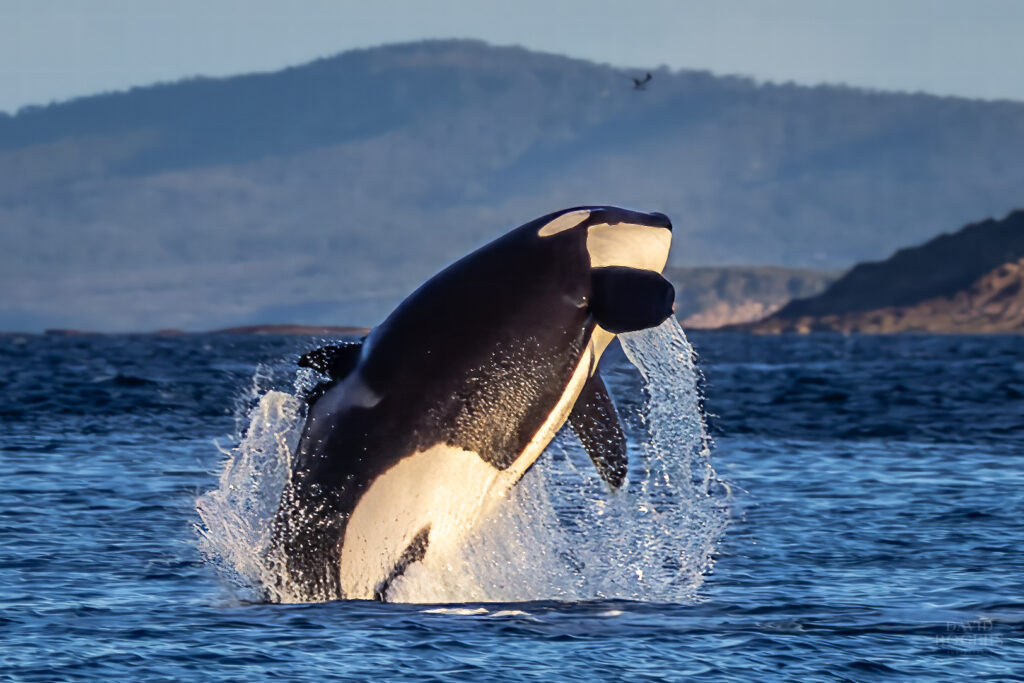
Split Fin is perhaps Australia’s best-known killer whale. Known to researchers since 2003, Split Fin was first photographed near the old whaling town of Eden in New South Wales. She and her pod have been sighted almost every year since, moving from Jervis Bay down to Tasmania and even South Australia!
It is believed that Split Fin is the matriarch of a family of killer whales.
She is also the most recognisable due to the damage to her dorsal fin which was almost certainly caused through contact with a boat propeller. The fact that she survived this injury is remarkable in itself but to survive and thrive as leader of her family group is truly something special.

WILSON

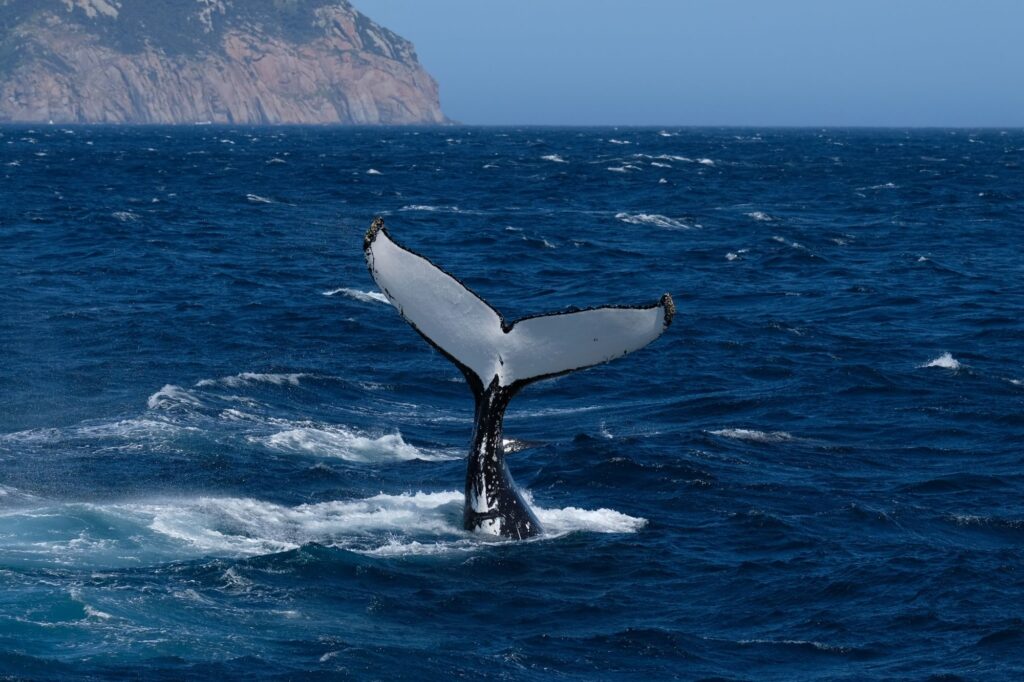
Wilson is a rather boisterous showoff. This youngster was first photographed in October 2020 near Rodondo Island off Wilsons Promontory. It is unclear whether they are a male or female, but they were in the company of another humpback whale as they made their journey south.
On this windy Spring day, whale watchers were treated to a spectacular and prolonged display of tail slapping, head lunging, and general playfulness. Wilson and their companion paused their southerly migration to seemingly enjoy their last moments off the Australian mainland before heading into the cold Southern Ocean.

MARTHA

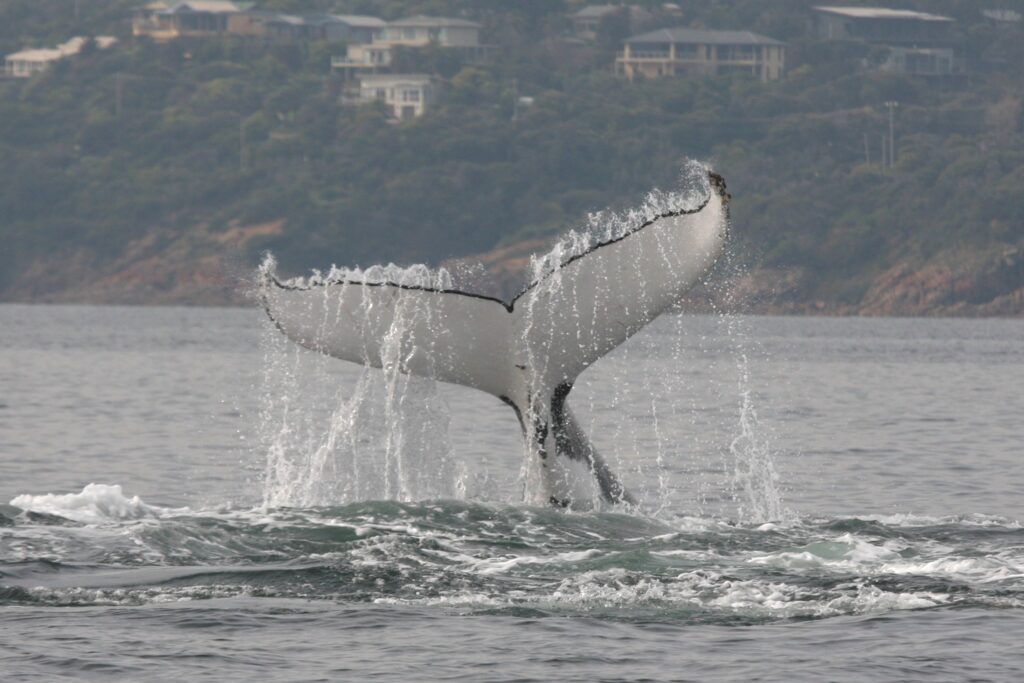
Martha was first photographed by the Dolphin Research Institute off Mount Martha in August 2011. She was accompanied by four presumed male humpback whales who appeared to be competing for the right to mate with her.
The pod was very active in the area and were quite violent toward each other at times. Our research team were in the midst of this amazing event and managed to photograph the unique fluke of Martha.
But this is not the only sighting of this whale! After uploading images to the online platform Happywhale, we were excited to learn that Martha was first sighted in Hervey Bay, Queensland, in 2008.

FEEDER

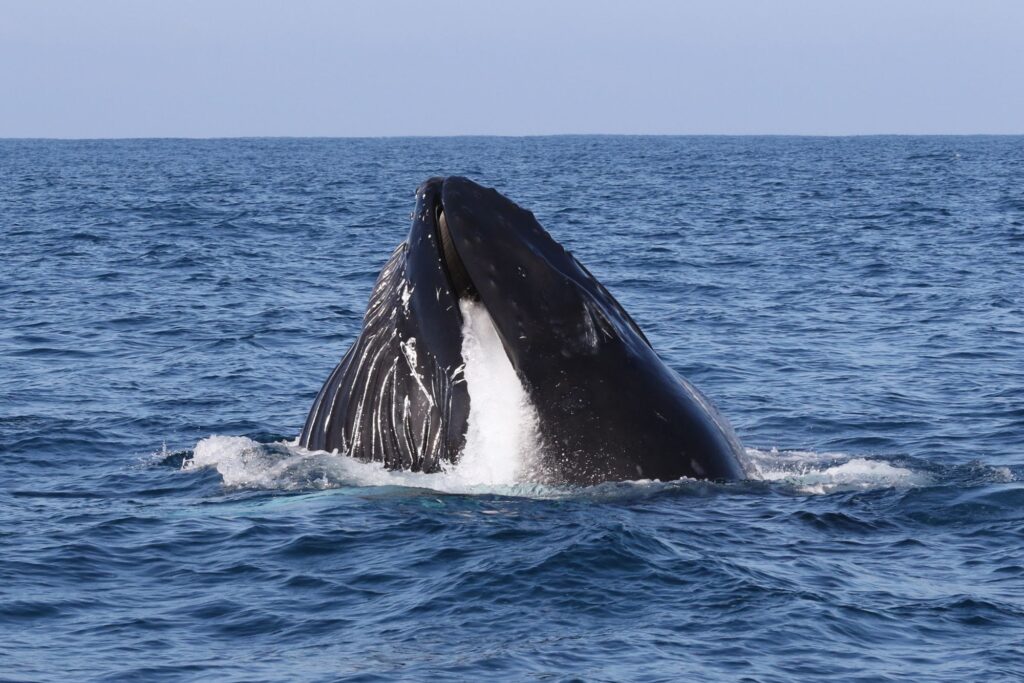
Feeder was first photographed in July of 2020 by citizen scientist, Barb Wallace off Pyramid Rock, Phillip Island.
On this day, Feeder was actively feeding on small baitfish and was accompanied by common dolphins. Over the course of the following week, Feeder was sighted a further three times and was seen feeding during each encounter.
Feeding outside of Antarctica is rare for humpbacks. As such, this whales activities around Phillip Island has sparked new discoveries about humpback whale behaviour in Bass Strait.

GINGER

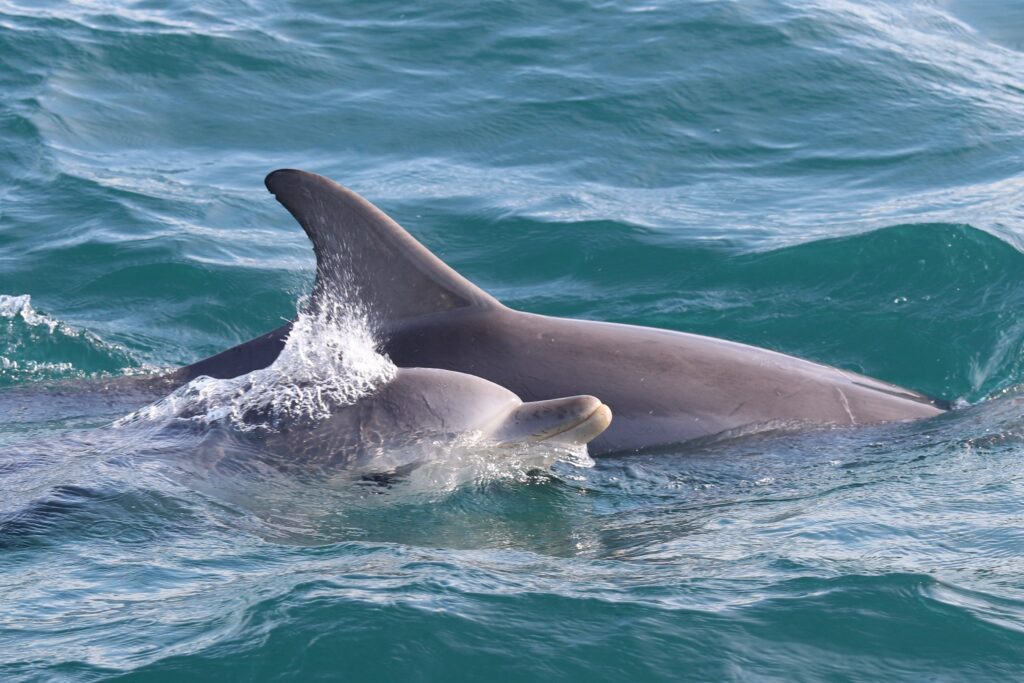
Ginger is one of Western Port’s resident bottlenose dolphins. First seen in 2006 swimming with surfers, she has been a regular fin along Western Port beaches throughout the years. Since she was first seen, Ginger has had three known calves, Smooth, Blaze and Prince. A credit to her mothering, all three calves survived after leaving mums side, with Blaze and Prince now regulars along Western Port beaches. We are always excited to receive sighting reports from citizen scientists in the area of Ginger and her family.

DD

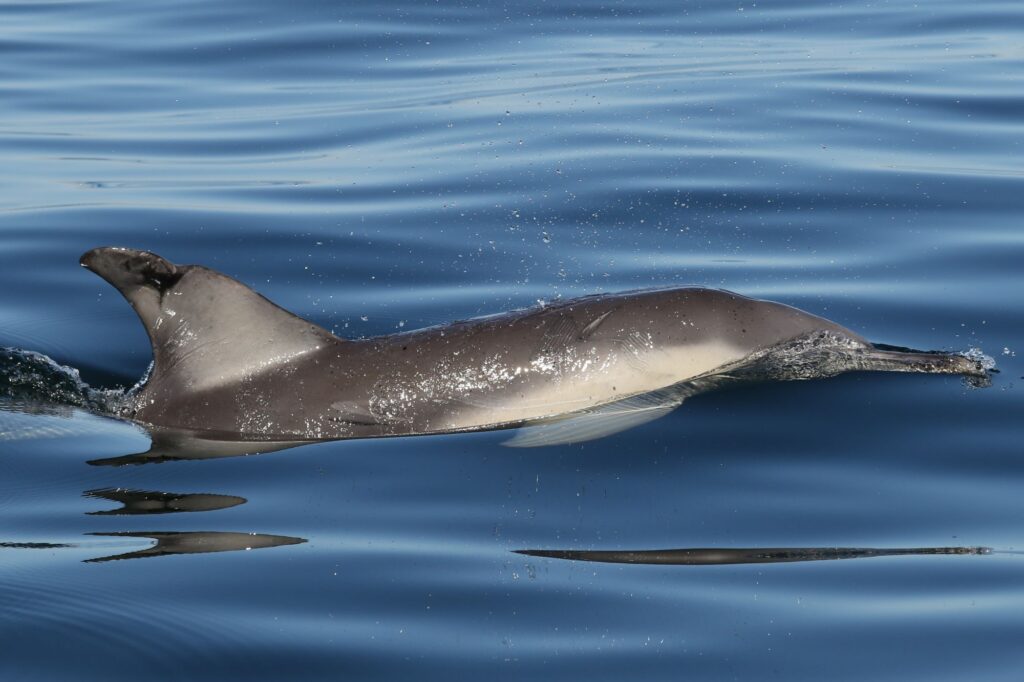
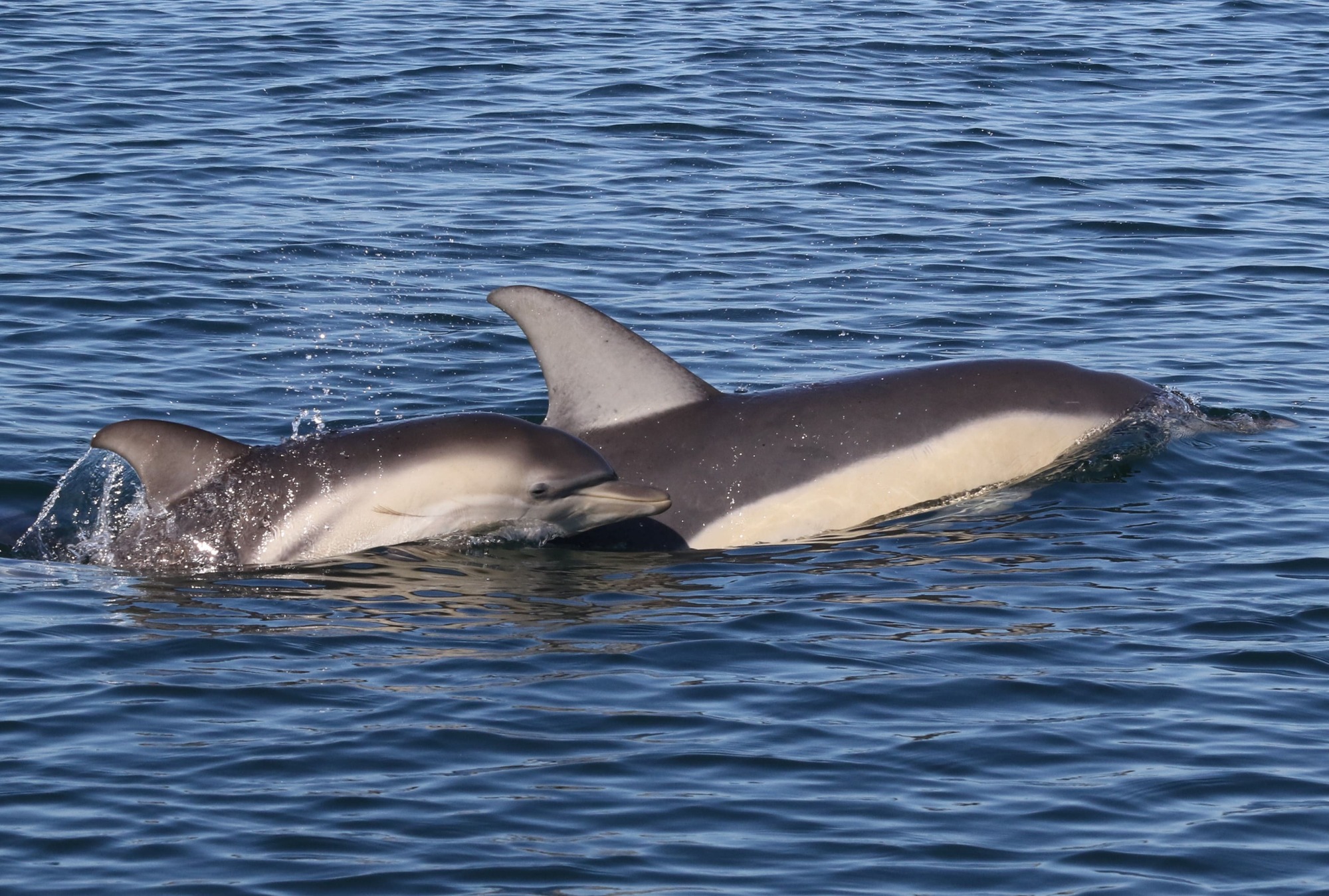
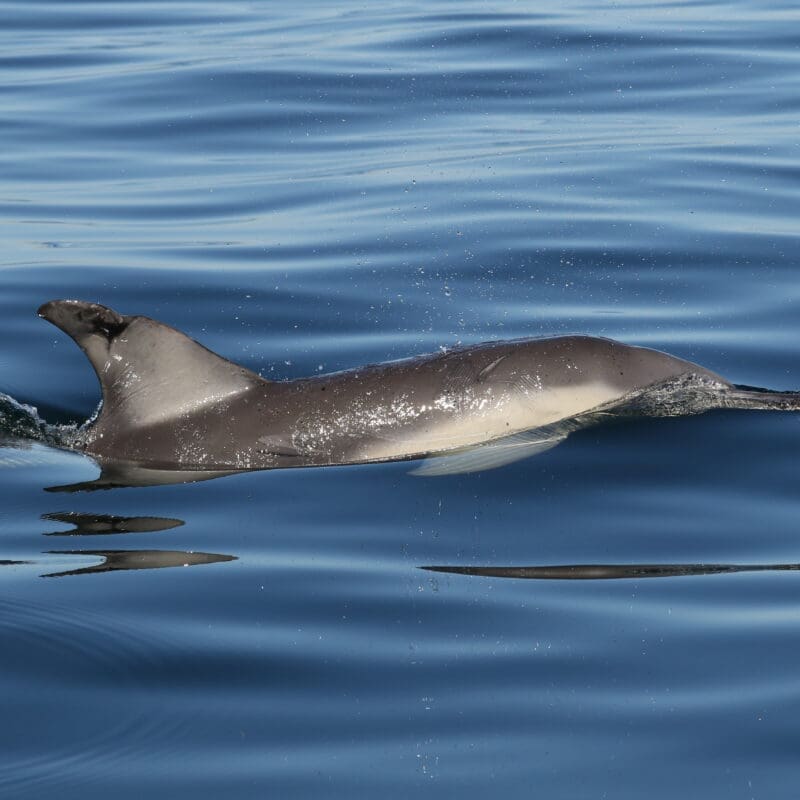
DD is one of the few males we know of in Port Phillips unique common dolphin community. He was born in 2012 to a mother we call Square Notch. At just 8 months old, DD suffered an injury to his dorsal fin, possibly from a boat propeller. Despite his injury, this resilient dolphin doesn’t seem to be at all affected by his “damaged dorsal” fin, which is how he got the name “DD”. He is now regularly sighted with other resident dolphins like BUD and Lucky who also sport old injures.

Tall Fin

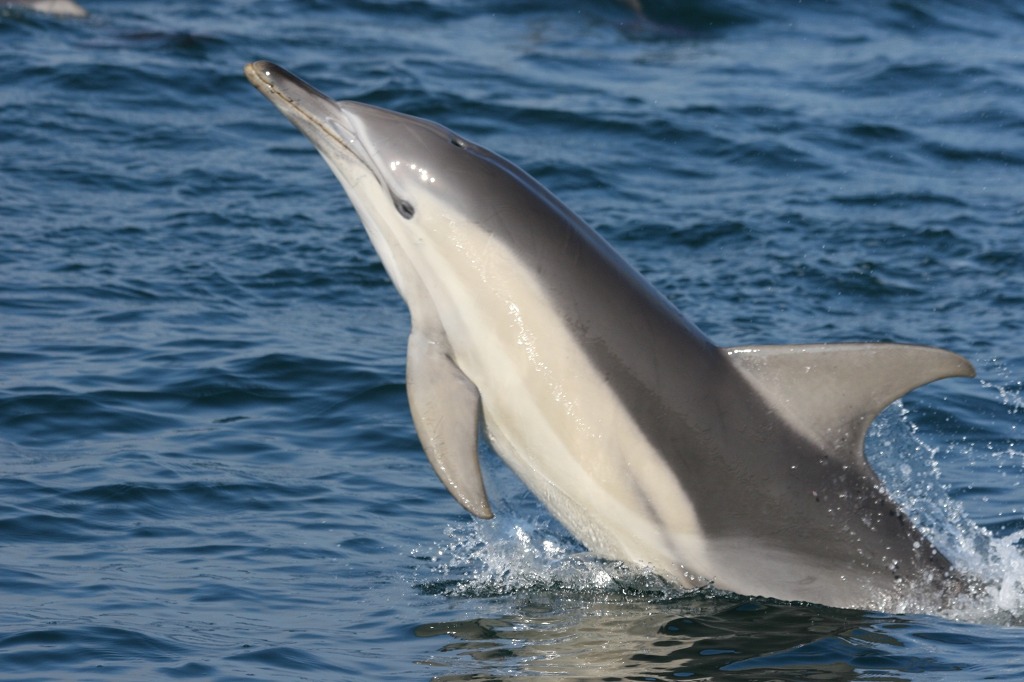
Tall Fin was first seen in 2006 and has been sighted every year since. He is one of Port Phillips resident males and loves the limelight, often outshining the other dolphins when we are trying to photograph them for ID purposes.
Tall Fin has a very slender and tall fin, with no obvious markings, which is unusual for a dolphin that must be approaching 25 years of age. Over the years, we have seen Tall Fin mating with various females in the bay suggesting some of the calves in Port Phillip may be his. We have also seen him “baby-sitting” calves for extended periods of time.

V-NICK

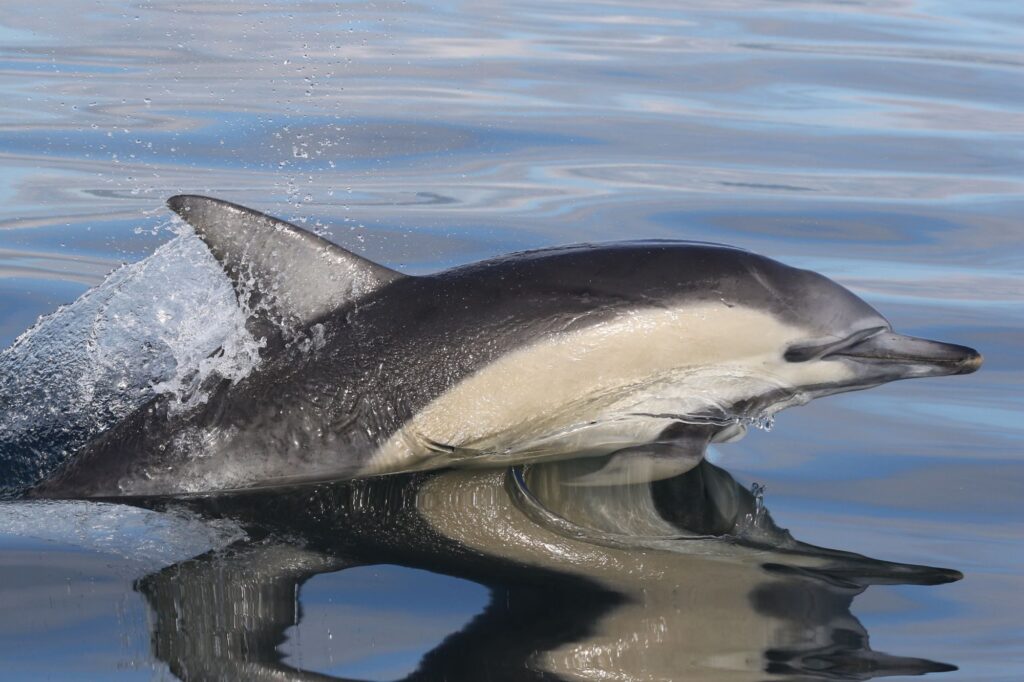
V-Nick is one of Port Phillip’s first common dolphins, having first been seen in 2005. In fact she is dolphin #1 in our catalogue of over 150 common dolphins. She is easily identifiable by a “V” shaped nick at the top of her dorsal fin and has been seen most years since 2005. She is a champion mother of five, having her first known calf in 2008. Most of her calves we have been able to keep track of and watch grow, and most recently, we have even been able to track V-Nick’s first grand-calf born in early 2023!

POKE

Poke is one of the original common dolphins we discovered in Port Phillip in 2005, or “OGs”, as they are fondly referred to at DRI. Poke, who is at least 25 years of age, is still regularly seen on surveys, often spotted with V-Nick, Tall Fin and Esther.


During the last 20 years, she has been a super-mum, giving birth to seven calves in the Bay! One of Poke’s earlier calves was injured in its first year, possibly by a propeller. The fact that the calf survived is a credit to Poke as a mum and the health of the calf.

VIOLET

Violet is one of Port Phillip’s remarkable common dolphins, and was named after a very special supporter of the Dolphin Research Institute.

Violet was first seen in Port Phillip in 2015 and became a first-time mum in early 2020. Violet spent the next one and a half years raising her young calf in the protected waters of the Bay.


Whilst we don’t often spot her in Port Phillip, we believe this free spirited dolphin often spends her time out in Bass Strait, likely socialising with hundreds of other common dolphins.