How can you help?
When you support DRI, you help to protect some of the world's most loved creatures and their environment
What do we do?
We have provided Research, Education and Leadership programs since 1991
Latest News
The Heart of our Work
Our marine environment
Southern Marine Species
Regional Marine Environ.
Coastal Management


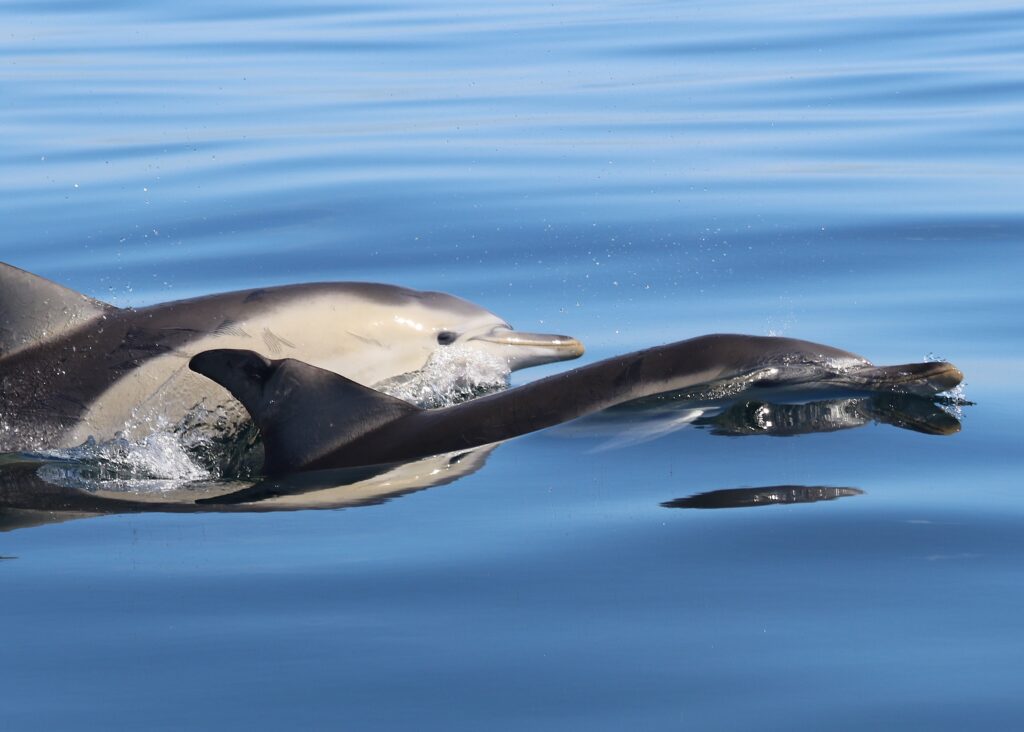
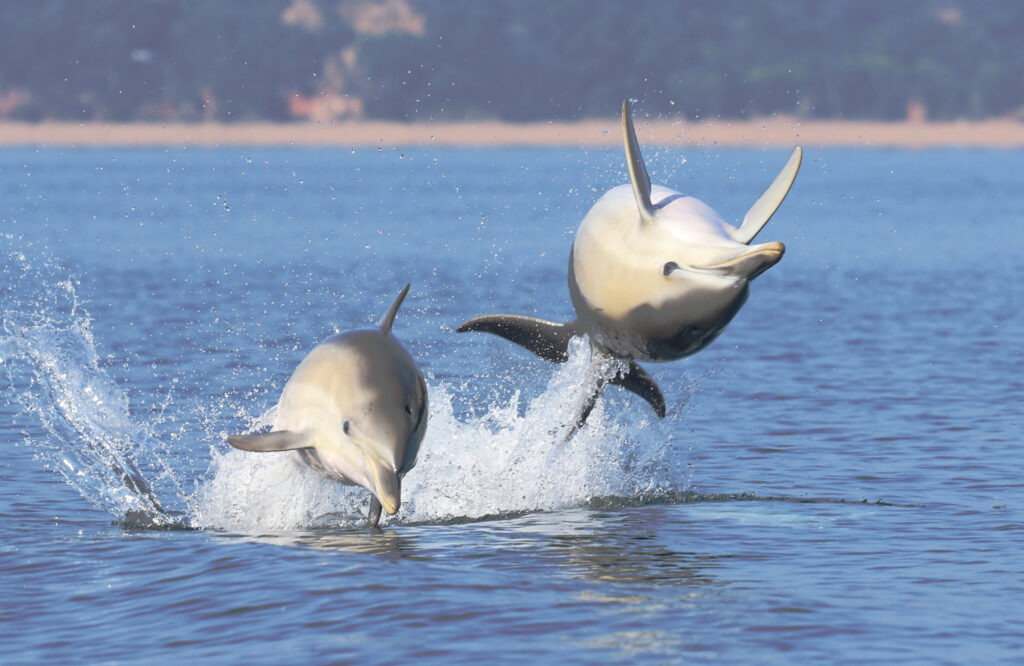
This document is the first and only publicly available identification catalogue for common dolphins that reside in Port Phillip. The catalogue fills an important gap in the understanding of this unique community of dolphins, adding value in understanding life histories, social bonds between animals and habitat use. We consider the catalogue to be a living document that will be regularly Continue Reading
We must all sit up and take notice of this amazingly insightful poem from 10-year-old Josephine from Kunyung Primary School. JOSEPHINE'S POEM ocean breeze, seven seas seagulls sore, crashing waves roar whales sing among the kelp when really they're yelling for help plastic rules the ocean, fish slowly die - they must be wondering why. We're the problem you see... Continue Reading
There is no excerpt because this is a protected post.
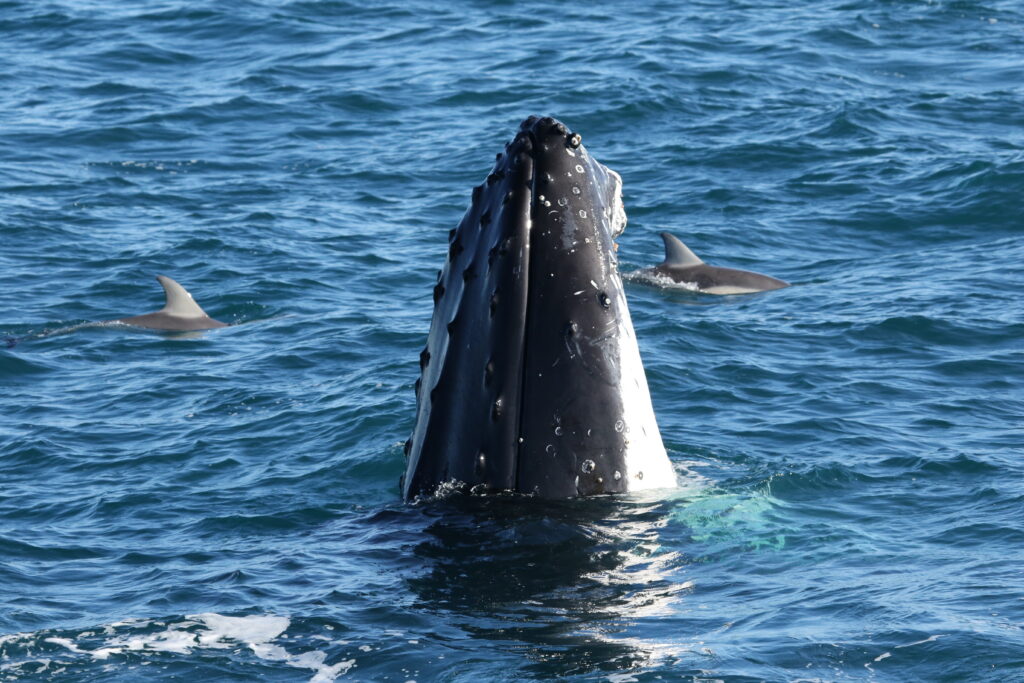
Spot-A-Whale 2021 Most whales don't wave their fluke in the air as if to say "here I am". The most usual sighting of a whale is the distant "blow" as the animal surfaces to breathe - sometimes many kilometres off-shore. The post contains a video presentation from David Donnelly, the Dolphin Research Institute's Research Officer, to explain how to spot Continue Reading
The Third Generation of Bay Dolphins? We may have discovered the third generation of common dolphins in Port Phillip, but we aren’t sure – yet… The challenge is that it takes decades of field surveys followed by many days of painstaking analysis of images to build a picture of when females calve. Poke is shown above with a new calf Continue Reading
Dear Friend I want to share with you the joy of some wonderful achievements! Our bay’s common dolphins are growing in numbers. We know this because David Donnelly, our Research Officer, used the COVID lockdown to complete the Port Phillip Common Dolphin Catalogue and it shows that since 2006 they have grown from about 12 to more than 70 animals! Continue Reading
The Two Bays Whale Project again proved that a citizen science approach to data collection that includes the use of social media, a sightings hotline, and scientific expertise is a useful and reliable means of monitoring whale presence and movements. This was of particular importance during the COVID 19 restrictions period which was effectively the entire season.Without the citizen science Continue Reading
Do Antarctic killer whales migrate to Australian Waters? Well thanks to David Donnelly, DRI's Research Officer, and his network of colleagues and citizen scientists, we now know that at least some Antarctic killer whales visit our coastal waters. The work is published in the current edition of Aquatic Mammals. The Southern Hemisphere is thought to have 5 "ecotypes" of Continue Reading
Notes for Land-based Novice Whale Watchers. 1. You might not see any whales 2. Use binoculars 3. Be somewhere high 4. Wear warm clothing 5. You might not see any whales The notes above are as true for experienced whale watchers as they are for beginners. To get around some of these hurdles you can go on whale-watching trips. These Continue Reading
Port Phillip Common Dolphins - Social Research Published Congratulations to Dr. Suzanne Mason for her paper on the social structure of Port Phillip's common dolphins, just published in the prestigious peer-reviewed journal, Marine Mammal Science. DRI supported Dr. Mason's Honours and Ph.D. projects over almost a decade. During that time she also managed DRI's research programs and contributed significantly to Continue Reading